Why Roof Direction and Shade Make Solar Calculators So Fussy
Содержание
Two houses on the same street can get very different solar estimates. Same weather. Same utility. Same square footage. One roof faces south with open sky, while the other catches chimney shade every afternoon. A solar calculator notices.
That can feel fussy, but it is not busywork. Solar production is physical. The roof does not care about averages.
The calculator is trying to model sunlight on a surface
A solar panel does not simply need daylight. It needs sunlight hitting the panel surface at a useful angle. Direction, also called azimuth, describes where the roof faces. Tilt describes the slope. Shade describes what blocks sunlight from reaching the panel.
PVWatts, a widely used solar estimating tool associated with the U.S. national lab solar program, estimates grid-connected photovoltaic system output from location and system inputs. Its loss categories include shading, soiling, wiring, connections, mismatch, and availability. The tool’s system-loss screen shows an estimated total loss around 14% under default assumptions.
That is a reminder, not a law. A clean, open roof may perform close to the model. A roof with trees, dormers, and multiple planes may not.
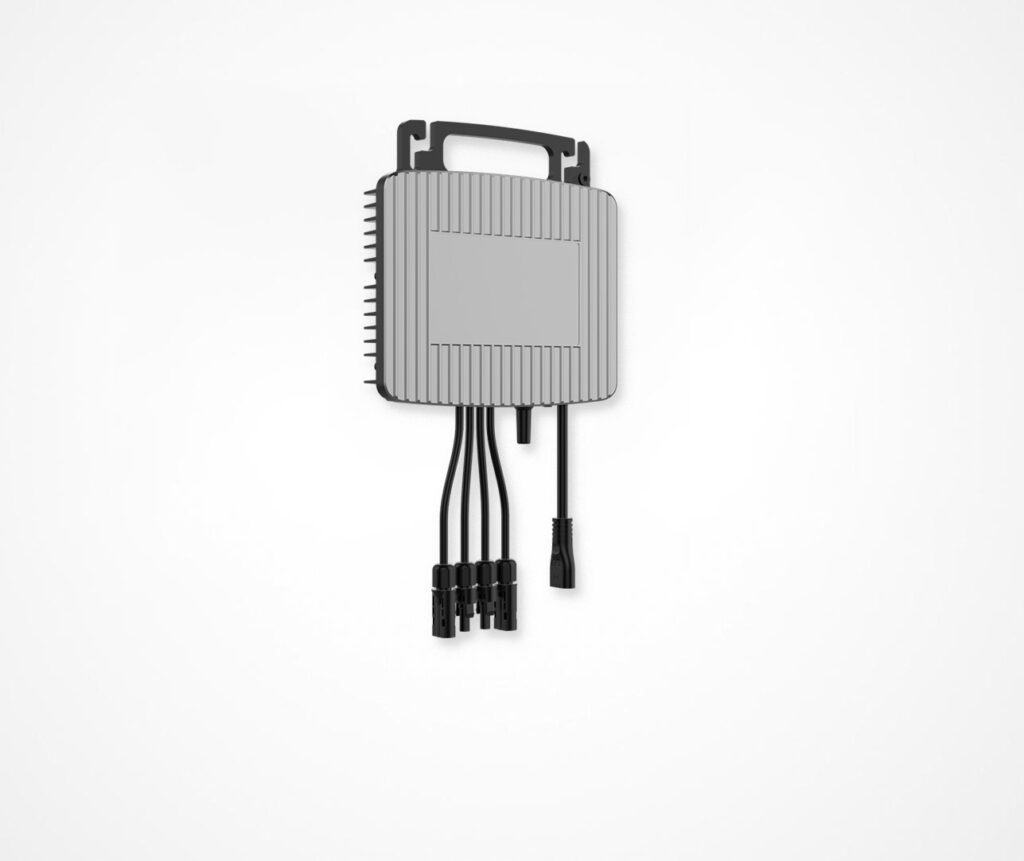
When shade is part of the design, panel-level electronics can matter. A page such as Sigenergy’s SigenMicro inverter overview fits naturally into this topic because microinverters can help manage panels individually instead of forcing the array to behave as one large block.
Shade has a timing problem
Shade is not just «some» or «none.» Morning shade hits production differently than late-afternoon shade. Winter shade is different from summer shade because the sun rides lower in the sky. A leafless tree in January is not the same object in July.
This is where a quick calculator can miss the texture of the roof. It may ask for shade level, but a real design should look at where the shadow falls and when.
For example, shade across one panel in an older string inverter system may reduce output from other panels in the same string. A string is a group of panels wired together. In a panel-level system, each module can be managed more independently, reducing the chance that one awkward patch of shade drags down more of the array than necessary.
That does not mean every roof needs microinverters. It means a roof with mixed orientation or partial shade deserves a closer look.
The roof shape can decide the electronics
Simple roofs are easy. A single south-facing plane with little shade may work well with several system architectures. Complicated roofs ask for more care.
Look harder at panel-level control when the roof has:
· Multiple roof planes facing different directions
· Dormers, chimneys, or plumbing vents
· Tall nearby trees
· Partial shade during prime solar hours
· Smaller panel groups spread across the roof
The SigenMicro inverter product page is a useful reference for this kind of article because it keeps the conversation anchored in roof-level design rather than broad solar claims.
A better way to read calculator results
A solar calculator should be treated as a first draft. If it says a roof can make 9,000 kWh per year, the next question is how confident that number is. A simple roof may make the answer more reliable. A shaded, chopped-up roof should trigger a site review.
The best homeowner habit is to compare two scenarios: ideal roof assumptions and conservative shade assumptions. The gap between them tells a story. If the gap is small, the project may be straightforward. If the gap is large, equipment choice and panel placement need more attention.
Solar calculators are not being difficult for fun. They are trying to turn a moving sun, a sloped roof, and a few shadows into an annual estimate. That is hard work for a form on a website.
For articles about rooftop shading and panel-level design, Sigenergy’s SigenMicro page gives readers a relevant next step after the calculator result.